
NAD+ sits at the intersection of every major pathway in longevity biology. It powers the enzymes that repair DNA. It regulates the sirtuins that control gene expression, inflammation, and mitochondrial function. It fuels the metabolic reactions that generate cellular energy. And it declines — dramatically, measurably, and consequentially — with age. In 2026, NAD+ research is one of the most active and well-funded areas of longevity science globally, and Australian researchers are increasingly incorporating it into multi-compound protocols alongside peptides like MOTS-c and Epithalon. Here is the complete scientific picture.
What Is NAD+ and Why Does It Matter?
NAD+ (nicotinamide adenine dinucleotide) is a coenzyme found in every living cell. It exists in two forms — NAD+ (oxidised) and NADH (reduced) — that cycle between states as they carry electrons through metabolic reactions. This redox cycling is fundamental to cellular energy production — NAD+ is the electron carrier that makes oxidative phosphorylation, the process by which mitochondria generate ATP, possible.
But NAD+’s role extends far beyond energy metabolism. It is also the essential substrate for two families of enzymes that are now central to longevity biology research:
Sirtuins (SIRT1-7): NAD-dependent deacetylases that regulate gene expression, DNA repair, mitochondrial biogenesis, inflammation, and metabolic homeostasis. Seven sirtuin enzymes operate across different cellular compartments — the nucleus, cytoplasm, and mitochondria — coordinating a vast regulatory programme that is now understood as one of the primary molecular determinants of healthy ageing. Sirtuin activity declines proportionally with NAD+ availability — meaning NAD+ decline effectively impairs the entire sirtuin-regulated longevity programme simultaneously.
PARPs (Poly ADP-ribose polymerases): NAD-consuming enzymes that detect and repair DNA strand breaks — the molecular damage that accumulates in every cell throughout life and that drives mutagenesis, cellular dysfunction, and cancer risk with age. PARP activity is essential for genomic integrity; without adequate NAD+ to fuel it, DNA damage accumulates at rates that overwhelm the cell’s repair capacity.
The critical insight that has driven the surge in NAD+ research over the past decade is that these two enzyme families — sirtuins and PARPs — compete for the same NAD+ pool. As DNA damage increases with age (activating PARPs and depleting NAD+), sirtuin activity falls — because the NAD+ that would have powered them is being consumed by DNA repair. This creates a vicious cycle: NAD+ decline impairs sirtuins, impaired sirtuins reduce mitochondrial function and DNA repair efficiency, worsening DNA damage further depletes NAD+ through increased PARP activation, and so on.
Understanding this cycle is the key to understanding why NAD+ restoration has become one of the most important and well-validated targets in longevity research.
The age-related decline in NAD+ is one of the most well-documented molecular changes of biological ageing — measured consistently across human tissue types in multiple independent studies.
NAD+ levels decline by approximately 50% between the ages of 40 and 60 in human tissue. This decline is not uniform across tissue types — metabolically active tissues including skeletal muscle, liver, and brain show particularly pronounced declines that correlate with the functional deterioration of these organs with age.
The mechanisms driving this decline include increased PARP activation from accumulating DNA damage, reduced activity of NAD+ biosynthetic enzymes with age, and decreased availability of NAD+ precursors from dietary sources. The result is a progressive depletion of the coenzyme that powers the very enzyme systems needed to maintain the cellular integrity that would slow its decline.
Direct NAD+ administration is limited by bioavailability — NAD+ itself does not efficiently cross cell membranes. Research has therefore focused on NAD+ precursors that are efficiently taken up by cells and converted to NAD+ intracellularly.
The two most studied precursors in current research are:
NMN (Nicotinamide Mononucleotide): A direct precursor to NAD+ in the salvage biosynthesis pathway. NMN is efficiently converted to NAD+ in most tissue types and has a well-characterised pharmacokinetic profile in both animal and human studies. It is the most commonly used NAD+ precursor in longevity research protocols.
NR (Nicotinamide Riboside): An upstream NAD+ precursor that converts to NMN before becoming NAD+. NR has a strong clinical research base — it is the most studied NAD+ precursor in published human trials, with documented capacity to raise NAD+ levels in blood and tissue.
Both precursors have demonstrated the capacity to restore NAD+ levels in ageing tissue in preclinical models, with NMN showing particular efficacy in muscle and liver tissue relevant to metabolic research, and NR showing strong evidence from human clinical trials for blood and muscle NAD+ restoration.
Mitochondrial function and energy metabolism: NAD+ is the electron carrier that makes mitochondrial ATP production possible. In ageing tissue where both NAD+ and mitochondrial function have declined, restoring NAD+ provides the substrate needed for mitochondrial oxidative phosphorylation — directly addressing the bioenergetic deficit that underlies age-related fatigue, reduced physical capacity, and metabolic deterioration. Australian researchers investigating age-related metabolic decline are increasingly including NAD+ in protocols alongside MOTS-c — the two compounds addressing the mitochondrial energy deficit from complementary angles.
Sirtuin biology: The sirtuin family of enzymes is one of the most important regulatory systems in longevity biology. SIRT1 regulates gene expression, inflammation, and mitochondrial biogenesis. SIRT3 maintains mitochondrial function and reduces oxidative stress. SIRT6 regulates DNA repair and telomere maintenance. All seven sirtuins are NAD-dependent — restoring NAD+ levels restores their activity across all of these regulatory programmes simultaneously. For researchers investigating sirtuin biology, NAD+ restoration is the most fundamental and broadly effective intervention available.
DNA repair research: PARP-mediated DNA repair is one of the most critical NAD+-consuming processes in ageing cells. Restoring NAD+ availability improves the cell’s capacity to repair DNA strand breaks — reducing the accumulation of genomic damage that drives mutagenesis and cellular dysfunction with age. This DNA repair dimension connects NAD+ research directly to cancer biology, genomic stability research, and the investigation of age-related disease mechanisms.
Cardiovascular research: NAD+ decline has been specifically implicated in age-related cardiovascular deterioration — impaired cardiac mitochondrial function, increased cardiac oxidative stress, and reduced vascular endothelial function have all been linked to declining NAD+ in cardiac tissue. NMN and NR have demonstrated cardioprotective effects in preclinical models, making NAD+ research increasingly relevant to Australian researchers working in cardiac ageing and metabolic cardiovascular disease.
Neurological research: The brain is one of the most metabolically active organs and one of the most sensitive to NAD+ decline. Neuronal NAD+ depletion has been linked to increased vulnerability to oxidative stress, impaired synaptic function, and accelerated neurodegeneration. NAD+ restoration in preclinical models has demonstrated neuroprotective effects relevant to research on Alzheimer’s disease, Parkinson’s disease, and age-related cognitive decline. For Australian researchers combining NAD+ with Semax, Selank, and Epithalon in cognitive longevity protocols, this neurological research dimension is particularly relevant.
Metabolic disease research: NAD+’s role in regulating sirtuin and PARP activity makes it relevant to research on type 2 diabetes, insulin resistance, and metabolic syndrome — conditions where both NAD+ decline and sirtuin dysfunction have been specifically implicated. NAD+ restoration in high-fat diet animal models has demonstrated improved glucose tolerance, enhanced insulin sensitivity, and reduced hepatic fat accumulation — findings mechanistically consistent with SIRT1-mediated metabolic regulation.
Exercise physiology: NAD+ is consumed and regenerated at high rates during physical activity — making exercise one of the most potent stimuli for NAD+ metabolism research. The interaction between exercise-induced NAD+ cycling, MOTS-c’s exercise-mimetic AMPK activation, and sirtuin-regulated mitochondrial adaptation is one of the most active and productive areas of metabolic longevity research in 2026.
The scientific rationale for combining NAD+ with Epithalon and MOTS-c in the Longevity Stack is not simply that they address different hallmarks — it is that they are metabolically interdependent in ways that make the combination more effective than the sum of its parts.
NAD+ and MOTS-c — convergent mitochondrial support: MOTS-c activates AMPK which drives PGC-1α and mitochondrial biogenesis. NAD+ activates SIRT1 which also drives PGC-1α through deacetylation. Both pathways converge on the same mitochondrial biogenesis programme — meaning their combined effect on mitochondrial function is synergistic rather than simply additive.
NAD+ and Epithalon — genomic integrity support: Epithalon’s telomerase activation and telomere maintenance require active DNA repair machinery — specifically PARP-mediated strand break repair at telomeric sequences. NAD+ provides the substrate that powers this PARP activity, directly supporting the genomic maintenance that Epithalon’s telomere work requires. Without adequate NAD+, the DNA repair that sustains telomere integrity is compromised — meaning NAD+ restoration directly amplifies the effectiveness of Epithalon’s telomerase activation.
The senescence network: All three compounds in the Longevity Stack address cellular senescence through different mechanisms that together cover the full senescence biology. Epithalon prevents telomere-driven senescence trigger. MOTS-c prevents senescence in metabolically stressed cells. NAD+ restores sirtuin activity that suppresses the SASP — the pro-inflammatory secretory phenotype of already-senescent cells. Together they address senescence at the trigger, the process, and the downstream inflammatory consequences.
NAD+ research does not exist in isolation from the broader peptide research landscape. In Australian research protocols in 2026, NAD+ is most commonly combined with:
MOTS-c — for comprehensive mitochondrial and metabolic longevity research through AMPK and sirtuin pathway synergy.
Epithalon — for telomere biology and the genomic integrity dimension of cellular ageing.
SS-31 — a mitochondria-targeted antioxidant peptide that specifically reduces mitochondrial oxidative stress — complementing NAD+’s sirtuin-mediated oxidative stress reduction with direct mitochondrial membrane protection.
Semax and Selank — for comprehensive cognitive longevity protocols combining acute neurotrophic enhancement with long-term NAD-dependent neuroprotection.
GHK-Cu — for the gene-regulatory and structural remodelling dimensions of tissue ageing that NAD+, Epithalon, and MOTS-c do not directly address.
Peps Aussie supplies MOTS-c, GHK-Cu, BPC-157, TB-500, R3TA, and proprietary GLOW and KLOW research stacks for research purposes with HPLC-verified purity documentation and domestic Australian dispatch. Of the compounds discussed here, we hold MOTS-C and GHK-Cu, plus the GLOW and KLOW blends. Epithalon, NAD precursors and SS-31 are covered on this site as research topics, not as products we supply.
New batch COAs and restock alerts, sent when they happen.

Need more information about Peps Aussie? Get in contact with us via the email below and Peps Aussie will assist you promptly.
Include your name and a relevant subject line.
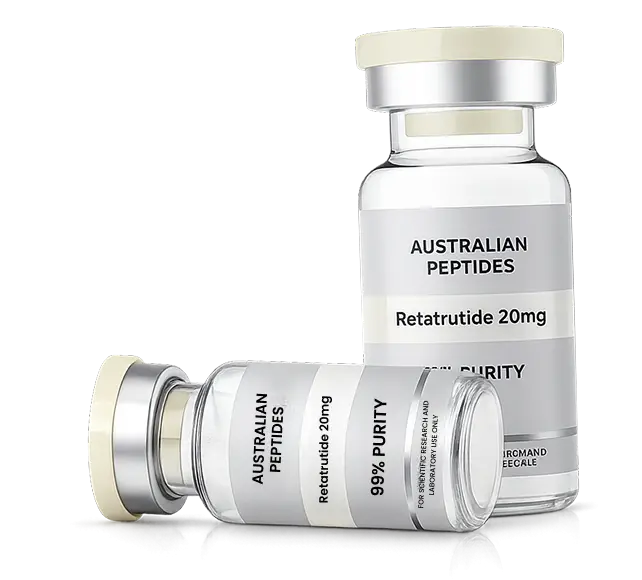
Every batch we publish a third-party certificate of analysis. Get told when a new one lands, and when a sold-out peptide is back.