
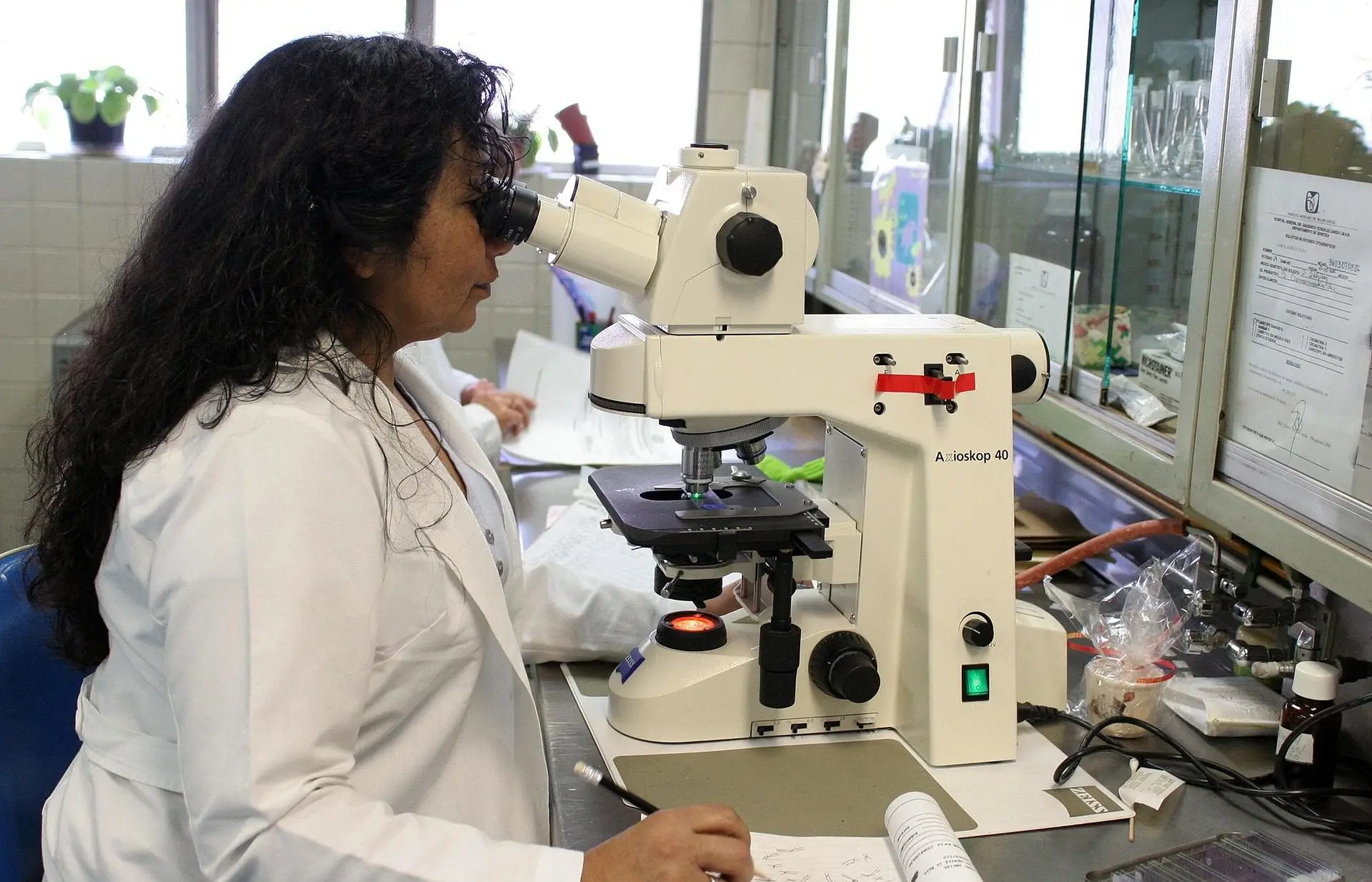
Peptides involved in muscle growth and recovery represent one of the most active areas of preclinical research in the peptide space. The biological mechanisms are well-defined — growth hormone secretagogues stimulate endogenous GH release, tissue repair peptides accelerate healing of muscle and connective tissue, and various signalling peptides modulate inflammation and protein synthesis pathways.
In Australia, research interest in this category spans academic institutions, sports science researchers, and clinical investigators working on muscle wasting conditions. This guide provides an overview of the key compounds, their mechanisms, and how they are sourced domestically for research purposes.
Growth hormone secretagogues (GHS) are peptides that stimulate the pituitary gland to release growth hormone (GH). Rather than introducing exogenous GH — which carries its own research and regulatory complexities — GHS compounds work upstream, stimulating the body’s own GH production through two primary receptor pathways.
CJC-1295 is a synthetic analogue of Growth Hormone Releasing Hormone (GHRH), the endogenous peptide that signals the pituitary to produce and release GH. It is designed with a Drug Affinity Complex (DAC) modification that extends its half-life from minutes to days by binding to albumin in the bloodstream. This prolonged action profile has made it a compound of significant interest in long-duration GH stimulation research.
CJC-1295 is listed as a Schedule 4 prescription-only medicine under Australia’s Poisons Standard. It cannot be legally sourced without a prescription for therapeutic use. Researchers studying GHRH analogues should verify the regulatory status for their specific research context.
Ipamorelin
Ipamorelin is a selective GH secretagogue that acts on the ghrelin receptor (GHSR). It is considered one of the more selective GHS compounds in the research literature — studies suggest it stimulates GH release with minimal effect on cortisol and prolactin levels, which distinguishes it from older GHS compounds like GHRP-6. Ipamorelin is also Schedule 4 in Australia.
GHRP-6
GHRP-6 (Growth Hormone Releasing Peptide-6) is one of the first-generation GHS compounds and has an extensive research literature. It acts on the ghrelin receptor to stimulate GH release and also has documented effects on appetite stimulation via ghrelin pathway activation. It is Schedule 4 in Australia and requires a prescription for therapeutic use.
BPC-157 is among the most studied peptides in the tendon, ligament, and muscle repair space. Preclinical research has documented improved healing outcomes in tendon-to-bone attachment models, muscle tear models, and ligament injury models. Its proposed mechanisms include upregulation of growth factor receptors (particularly VEGFR2), promotion of fibroblast proliferation, and collagen synthesis stimulation. BPC-157 is not currently scheduled under Australia’s Poisons Standard and is available for research purposes without a prescription.
TB-500’s actin regulation mechanism has direct relevance to muscle cell biology. Research has investigated its effects on satellite cell activation — the muscle stem cells responsible for muscle repair following damage — and on the speed of muscle fibre recovery in injury models. TB-500 is also unscheduled in Australia and available for research purposes.
A more advanced area of muscle biology research involves the myostatin/follistatin pathway. Myostatin is a negative regulator of muscle growth — it signals muscle tissue to limit hypertrophy. Follistatin is an endogenous antagonist of myostatin, inhibiting its action. Researchers studying this pathway are investigating peptide-based approaches to modulating the myostatin/follistatin balance in muscle wasting conditions.
This remains a complex and specialised area of research. Compounds studied in this space are generally not commercially available as standard research peptides and require institutional research frameworks.
The regulatory status of muscle-related research peptides in Australia varies by compound. GHS compounds (CJC-1295, Ipamorelin, GHRP-6, Hexarelin) are Schedule 4 prescription-only medicines. Tissue repair peptides (BPC-157, TB-500) are currently unscheduled and available for research use. Researchers should verify the current scheduling status of any compound before purchasing, as the Poisons Standard is updated periodically.
For researchers working in this category, domestic Australian sourcing eliminates the customs risk associated with importing Schedule 4 compounds or their analogues from overseas. For unscheduled compounds, domestic sourcing provides faster delivery, temperature assurance, and regulatory clarity.
Quality standards remain the same regardless of the compound: independent HPLC purity data of 98% or higher, batch-specific mass spectrometry confirmation, and CoAs from third-party laboratories are the minimum expectation for research-grade material.
New batch COAs and restock alerts, sent when they happen.
Need more information about Peps Aussie? Get in contact with us via the email below and Peps Aussie will assist you promptly.
Include your name and a relevant subject line.
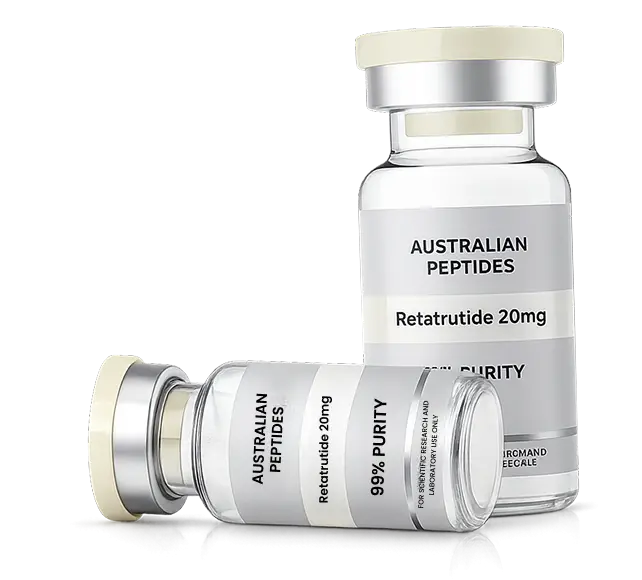
Every batch we publish a third-party certificate of analysis. Get told when a new one lands, and when a sold-out peptide is back.